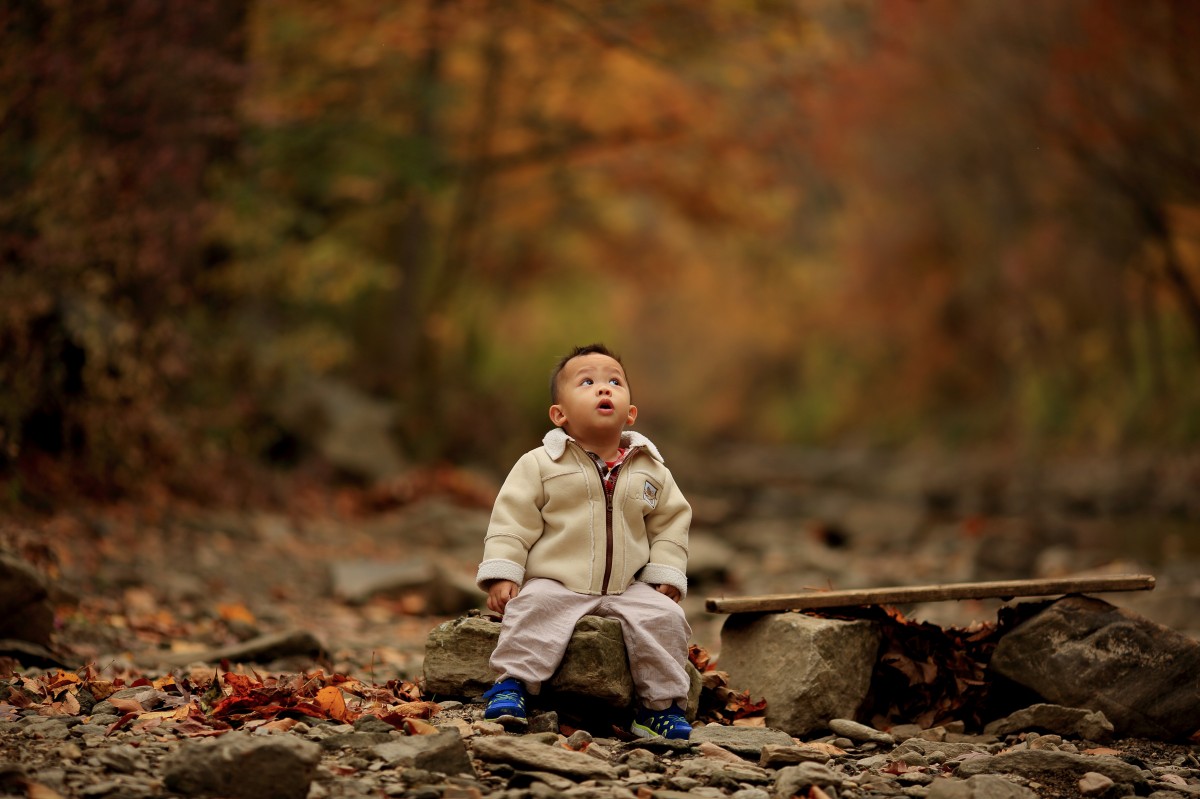
 I am a fool for wonder and for whimsy. Such a combination makes my class of people preschoolers. Weary from news of war and winter winds, I am hungry for my people. I stop at a small park and sit down on a bench. It feels good to be out in the cool, fresh air taking in the sunshine and the sounds of happy children. I soon spot a preschooler wearing a knit cap and matching puffy jacket. He looks like a small, silvery cloud with knees. I study him from afar as he studies the world up close. This tiny scientist trains his eyes on the spot where a bug disappeared into the loose black soil. He crouches down so low that his long dark eyelashes nearly brush the ground. He holds this posture like a statue. My own knees begin to ache. I wonder if the child is breathing. “Where did it go?” Before his mother can answer, the boy spots a bright red cardinal on a stone ledge and chases the bird until it fades into the sky. “Does that bird live in heaven?” And it is on to the next thing. The child starts down a gentle slope toward the slide and swings. Letting the momentum carry him, he falls to the ground and rolls. He squeals with delight further encouraging the invisible force. “The grass is tickling me!” And I laugh as the shared momentum carries me into the moment and tickles me too. Next, the boy busies himself gathering small stones and lining them up on a bench. He talks to himself and to the stones. He gives each one a name. The budding geologist keeps at it until he hears the honk of a goose that has waddled out of a large puddle. The child honks back, and asks his mother, “What did the goose say to me?” He imitates the goosey waddle until he loses sight of the bird in the bright sunshine. I hear him ask, “Why does the sun hurt my eyes?” The child goes from awed silence to incessant chatter, stillness to fast forward, whatever the wonder calls for, his body responds and his eager mind forms a question. He does not fear looking foolish, getting dirty, or running late. Those are the concerns of adults on a schedule who have stricken time to wonder from their personal to-do lists. The boy does not pause to anticipate the dangers—the sting of a bee or the brush of poison ivy against his skin. His mother is there. With her eyes ten steps ahead, her body is one step behind. Like the captain of an ancient seafaring vessel headed for a new world, she is constantly scanning the horizon for dragons and the air waves for the siren’s call. A good parent, she lovingly presses on making the world safe for her child’s wonder. The tot continues to explore and to marvel until both he and his mother are tired. He reaches up for her, and she lifts him into her arms. They go to their car. I give up my front row seat to all of this wonder and go to my car too. I am not tired. I am refreshed. It has been wonderful!
2 Comments
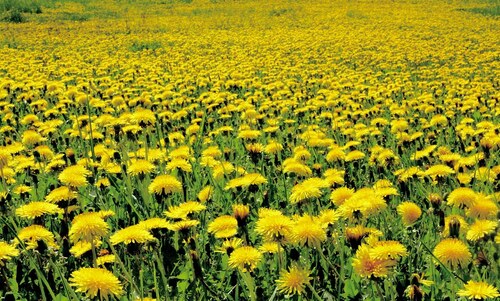 I see a lawn tractor ahead. The contraption is so loud that it sucks me into its sphere and deafens me to the whooshing sounds of passing highway traffic. Even my own thoughts drown in the cacophony. A spray of dead clippings showers the asphalt walking path. As I step among the grassy remains, I witness a resurrection. One-by-one dandelions spring up in the mower’s wake. They rise tall and regal in this field of stubby grass. Brilliant and moist, their lives are a sharp contrast to the brown and lifeless trimmings that cover my shoes. Like golden-haired ballerinas, the dandelions know just when to bow and when to rise for an encore. I laugh out loud as each milk-filled stem unfurls and reaches toward the sun. This troupe of tiny dancers has outwitted both man and machine. I doubt that these sassy blossoms ever considered succumbing to the executioner’s blade. Dandelions have work to do. They are every man’s flower, a poor man’s medicine, a starving man’s food. Despite war and climate change, the rise and fall of civilizations, dandelions have been going strong for 30 million years. More recently, they immigrated to this country aboard the Mayflower along with our Pilgrim ancestors. While adults may have forgotten the dandelion’s proud heritage and may call the humble bloom a weed or a pest, little children are still capable of awe. They can see the beauty in a simple thing without cataloging its faults. Despite adult efforts to eradicate them, dandelions are loved by children. A child’s love trumps pesticides, and, I believe, turns these flowers into masters of survival. Just the right size for small, chubby hands, dandelions are everywhere and within a child’s reach. These common flowers are not temperamental like orchids or thorny like roses. Generous bouquets can be gathered at no expense and proudly offered to people loved. Small bouquets fill teacups that adorn countertops and kitchen tables. Blossoms are jewels to be woven into crowns and necklaces. Colorful “stews” are concocted inside tents and treehouses. Magic wishes travel on puffs of dandelion seeds. Dandelions are a child’s birthright. They deliver a message of hope that life is abundant, persistent, and renewable. How else could a child survive? All of these thoughts fill my mind as the noise of the lawn tractor fades. Nature is a miracle. How does something so small, so ordinary, contain so much strength, agility, patience, and resilience? It is my turn to bow. I honor the dandelions as I pass. They are the heralds of spring, the rebirth I hungered for during the pandemic winter. The flowers comfort me with their familiarity and remind me that life goes on. In a time of shortages, they reassure me with their effortless abundance. When I die, bury me under a blanket of audacious dandelions gathered by the sweet, chubby hands of true believers. Send me down into the earth to mingle with these enduring roots. 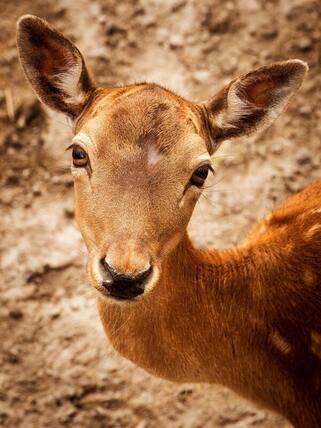 A friend of mine lives in a suburban neighborhood where the wildlife is becoming too friendly, some might even say BOLD. Despite repeated attempts to discourage them, the groundhogs have taken up residence underneath decks and porches and the deer walk right up to the front doors and ring the bells. The family pets do little to deter the wildlife, and that includes a pet pig that can moonwalk on command. It appears that the animals have taken up the lives we used to have. My friend spent the first half of the pandemic trying to woo a groundhog out from underneath her back deck and then keep him out. Since I am not sure where all of this is headed, my friend shall remain anonymous. Let’s just call her Q. Q began her interventions by placing a small fence around the groundhog’s front door. To no avail. The groundhog simply dug a bigger hole and went underneath the fence. Next, Q piled small stones around the entrance to the tunnel, but the creature moved the stones to the side, crafted a pair of gargoyles that looked remarkably like my friend, and went on inside. Q thought the natural animal fear of a predator might work. Q got a large plastic owl and placed it at the entrance. The groundhog knocked the owl over, slapped it to the side, and spit on it before regaining entry to its groundhog digs. Giving up on barriers, Q then tried appealing to the groundhog’s senses. Q sprayed the area with ammonia. Again, to no avail. Perhaps, the scent was no worse than the typical smells of a groundhog home. Q also tried sprinkling cayenne pepper at the entry, but it appears that the creature preferred life spicy. Shiny, spinning pinwheels were no distraction and may have been enough extra wind power to provide electricity to the underground tunnel. Q tried sleep deprivation as a discouragement strategy and kept bright lights focused on the groundhog’s home night and day. Q was pretty sure she heard the groundhog laughing at her. Desperate, Q left the groundhog a written notice of eviction and posted a Keep Out sign at the entrance to the hole beneath the deck. Q later found a tiny pair of reading glasses in the snow. The Keep Out sign was turned around with the words Live, Love, Laugh printed on the back. There was no response to the eviction letter. Q then sprinkled baking soda around the deck to track the groundhog’s footsteps so that she would know when it left the tunnel and which direction it had gone. While the animal was out, she backed up the truck and filled the area with large rocks. Q says she hasn’t seen the groundhog since, but Q has no will left. If Q sees signs of the groundhog’s return, she plans to declare him a dependent on her income tax return. Now the neighborhood is getting together on a Zoom call to discuss the deer problem—upping their game so to speak. My friend is eager to hear what the neighbors have to say. This has me worried. We are all a little on edge given the politics, the pandemic, and the weather. I remind my friend of the lyrics to that old folk song, Home on the Range: …where the deer and the antelope play…never is heard a discouraging word and the skies are not cloudy all day. We need that… but I think it might be too late. 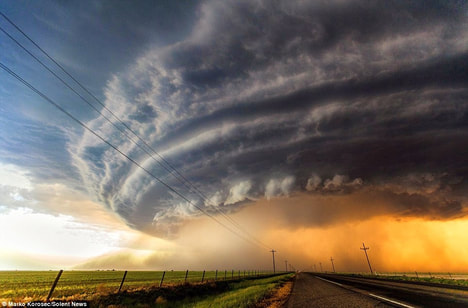 A storm is coming. I feel it as soon as I open my eyes. There is a change in temperature, humidity, air pressure, and the rhythm of my own heart. I awaken feeling both cautious and expectant. Outside my window, the world is upside down. The sky looks like a turbulent sea. Dark clouds tumble and crash like powerful waves rushing for the shore. I can smell the Atlantic Ocean from my third-floor-perch in Ohio. The everyday sounds of summer are quashed along with the sunshine. Absent is the roar of passing traffic. No doors creak open or slam shut. Neighbors’ voices are silent. Not even the birds are singing. The wind supplies the only soundtrack. Air moves through the trees whooshing and whistling. An empty soda can skips and scrapes across the pavement. The windows rattle, and the Venetian blinds bounce and bang against the window sill. I roll the tape and hear the voices of my parents saying, “Move away from that window!” There was a family thunderstorm protocol. As children do, we mirrored our parents when danger called. A storm was alive, like a stranger lurking outside the door. Children did what parents instructed. We mimicked the same serious, pensive moods of the adults. If we were playing outdoors as a storm drew near, we continued our activities, living on the edge, trusting that parents were ever alert and all-knowing. At the first distant flash of lightening or a warning crack of thunder, moms made haste to remove the whipping, snapping laundry from backyard clotheslines. The mother-sirens screamed, and the children scrambled. Bring in the toys! Find the dog! GET. INSIDE. NOW. Annual viewings of The Wizard of Oz provided children of my generation with effective storm education. We understood the trouble that comes to a child who fails to heed the word NOW. Once indoors it was off with electrical devices. Unplug the TV. That was surge protection. We drew the draperies and stayed away from windows and doors. Children found quiet things to do. We feigned distraction while remaining wary. Coloring books and Nancy Drew, Lincoln Logs and Hardy Boys kept us company. We were happy to have shelter. As the storm played out, we shuddered at strong claps of thunder and feared that pelting rain might break the glass. Despite its threatening power, there was beauty and majesty to a thunderstorm. Even as little children, we grasped a spiritual element to the weather and an understanding of things not just greater than us but forces greater than our parents too. When it was over, we were glad that our house had not fallen on us, though some magical ruby slippers would have been nice. We were equally grateful to be doing some minor clean-up out in the yard instead of wandering lost on a terrifying yellow-brick road. Occasionally, some items that had gotten loose in the wind might need to be returned to neighbors. That exchange usually led to some conversations about relief and gratitude. As the rain moves in, I find myself wishing we had been more careful with our words when the coronavirus slipped across the border. What if officials had described it as a weather event and a storm instead of an invisible enemy and a war? We live with seasonal weather events. We know what steps to take in a storm. Wars are unfamiliar; we don’t know what to do. Storm protocols demand compassion and cooperation. Wars breed hatred and mistrust. Warfare encourages resistance and violence. In a storm people choose safety, not sides. Rain and storms are temporary; they blow over. War changes life permanently; enemies are forever. We are happy to take shelter in a storm. Hiding from an enemy fuels outrage. We feel storms coming and a corresponding sense of urgency to calmly prepare and protect. The threat of war creates disbelief, naysayers, propagandists, and chaos. Storms bring out a spirit of community both in preparation and in recovery. In war, people hold their ground and their grudges; they fight over the spoils. During storms we remain vigilant but hopeful. Realistic and prayerful. We acknowledge the spiritual elements of nature and try to find meaning in our tempestuous circumstances. But in war, hope, faith, and meaning become casualties. Some people lose God and never recover their souls. It is easy to return a t-shirt or a pair of pajamas that blew from the clothesline in a storm. It is not so easy to gather up the bodies of neighbors that litter our lawns after a war. We can replace the roof and remodel the kitchen when the storm has passed. It is much harder to restore a livelihood that is in shambles or suture the shredded self-esteem that hangs from broken tree limbs. The insurmountable grief following war makes storm clean-up seem easy. Dorothy waited too long to get into the storm shelter. That decision led to an exhausting and uncertain journey. We sympathize. We are tired too. Our words matter in characterizing the things that happens to us. Hopefully, during the remainder of this pandemic, this virus storm, we can come to our senses, summon our courage, and find our hearts. We do not need ruby slippers to remind us that in a storm, there is no place like home. 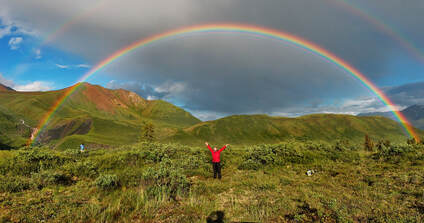 The adults have left the house. Party!!!!!!!! Without the needling, nagging, and interference of parents, nature’s class of 2020 has banded together for an international celebration. Bust into the wine cellar and bring out the good stuff! None of us are invited. In fact, nature is celebrating our absence. We can watch, but we cannot play. Apparently, nature loves a pandemic. I thought it was a vacuum she abhorred, but it appears people top nature’s list of the loathsome. Nature is getting a breather. Her gassy stepsister has gone off to the penitentiary, and nature has her own room again. She’s pulling the candy wrappers, pop cans, plastic shopping bags, dirty undies, and smelly gym socks from under the bed, and she’s putting up some posters and rearranging the space. She will shower for as long as she likes, thank you! This is not just on the street where I live. It is happening all around the world. The air and water are clearing. The landscape is adorning itself. In my lifetime, the air has never felt fresher. The birds have never been happier or had more to sing about. The grass has never been greener or more luxurious. The spring blossoms have never been more beautiful. The blooming trees have never been so full of buds, and the buds never so strong, hanging on for days through wind, rain and storm like a teenage girl clinging to her beau on prom night. The daffodils have been lingering for weeks. They can’t let go. They don’t want this night to end. And lions and tigers and bears, oh, my! They are returning to the roads in Africa and the parks in California. Goats roam the streets of Wales where peacocks are spreading out more than their feathers. Wild boar wander the cobblestone streets of Barcelona, and sea life is returning to the Venice canals. All over the world, city skylines are visible, and rainbows appear, connecting the landscape to heaven. Perhaps this is what it was like for Noah when the rains finally stopped and he threw open a window. Clear skies, clean earth, and that rainbow--the promise that the earth would never again be destroyed by water. This shelter-in-place time has renewed not just my love for nature, but my need for her. Home alone, the sun lifts my spirits. The breeze caresses me. The birds converse with me. Beauty fills my eyes and keeps my heart from failing. Nature comes through for me. When this storm-tossed USS Pandemic finally comes into port from its wild ride, I hope our eyes are as wide open as Noah’s window. Let there be a rainbow and a pledge that we will never again destroy the earth with anything our hands have made. That will be a reason to party. Everyone is invited. |
AuthorLilli-ann Buffin Archives
April 2024
Categories
All
|
 RSS Feed